

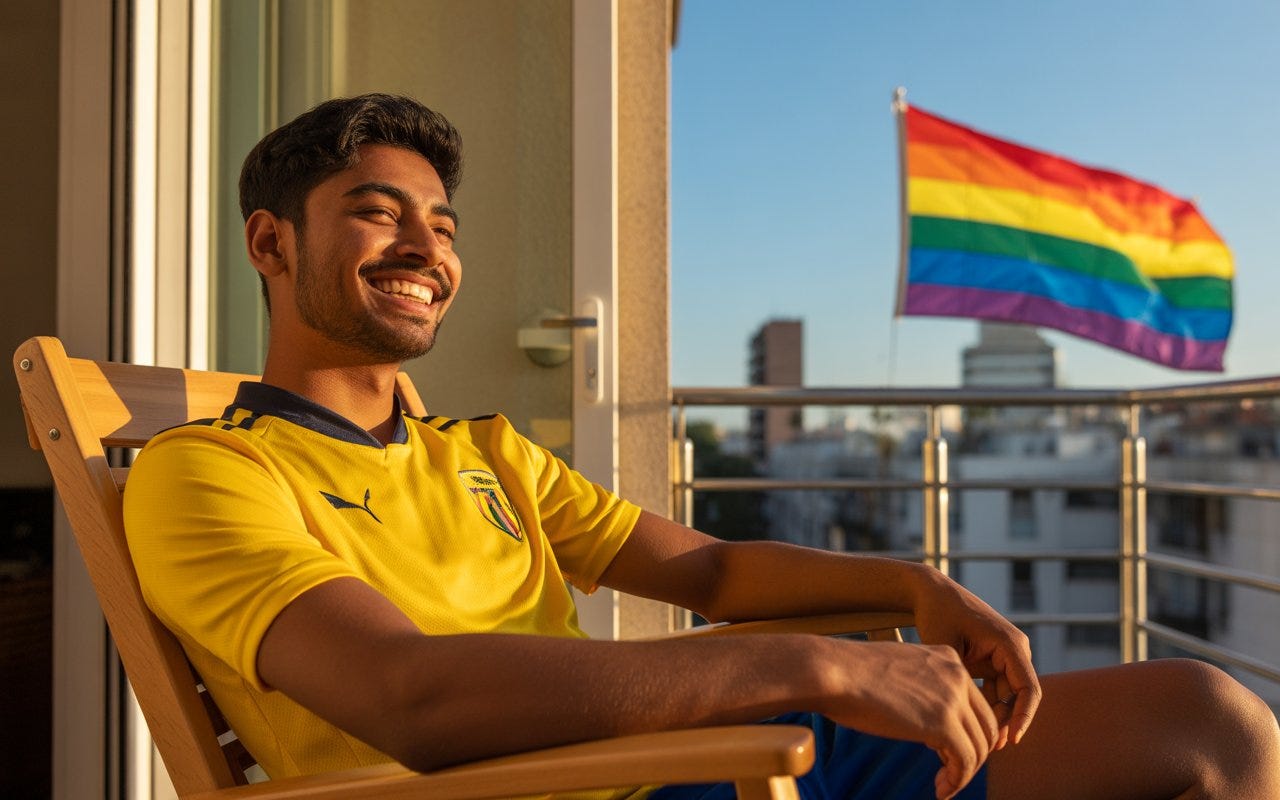
My journey with the Pride movement began with a single word in a Malayalam newspaper: Swavargarathi (homosexual relation). As a heterosexual, it was not easy for me to understand its human weight. To my teenage mind, it was just a punchline for schoolyard jokes. We used unparliamentary language to tease each other, oblivious to the sting those words carried or the reality of the lives we were mocking. We were participating in a culture of ridicule because we simply didn’t know any better.
By 2015, I joined the digital trend of adding a rainbow filter to my Facebook profile. At the time, it was largely performative. I wanted to “appear cool,” but I lacked the depth of understanding to back up the symbol. I was signaling solidarity for a movement I hadn’t yet truly felt or understood.
The real shift began during my medical training. Completing my MBBS opened the door to the concept of human autonomy, the idea that if two consenting individuals care for each other, it is not my place to judge. But it was during my MD in Pediatrics and my DM in Medical Genetics that the rainbow stopped being a social filter and became a biological reality.
When I delved into the complexities of endocrinology and genetics, the world became much clearer. I began to see how the intricate dance of DNA and the precise signaling of hormones during development work together to shape who we are. Our sexuality isn’t a choice picked up from a YouTube video; it is rooted in the very blueprint of our being.
I often use a cricket analogy to explain this. In any team, you have a majority of right-handed players and a few who are natural left-handers. Being left-handed isn’t a choice, nor can a right-handed child be influenced into becoming a southpaw. It is just a natural variation. Yet, the most alarming myth I still encounter, even among educated circles in Clubhouse debates, is the fear of “conversion.” Many parents believe exposure to the movement can change the sexual orientation of their children. To a scientist, this is as illogical as believing you can change someone’s blood group through conversation.
The weight of this prejudice is also unevenly distributed. Gay men are often targeted with much more vitriol than lesbians or bisexuals. When a member of the LGBTQ+ community makes a mistake, society unfairly blames their entire identity. This is a burden of representation that heterosexuals never have to carry. Through my friends who are gay, lesbian, and bisexual, I’ve seen that they are as normal or abnormal as anyone else. They have the same ambitions and the same desire for a life of dignity.
The noise of social media, with its confusing terminology and performative influencers, can make it hard to find the truth. But we need to step back and look at the bigger picture of human history. We have given autocrats a chance to rule; we have celebrated rulers who sparked world wars; we have cheered for politicians who thrive on the poison of caste politics. We have historically placed our bets on hate and power, often with disastrous results.
So, why not try something different? Let us give one chance to love. Let us stop treating human variation as a threat and start treating it as a fact of our shared biology. If we finally choose empathy over prejudice, I am sure you will be pleasantly surprised by the world we build.